

Glutathione is often marketed as a detox shortcut. Its real biology is more interesting than the sales pitch.
Made inside the body from three amino acids, glutathione helps cells manage oxidative stress, recycle other antioxidants, process reactive compounds and maintain the chemical balance needed for normal cellular function.
That does not make every glutathione claim true. It does make glutathione one of the most important small molecules in redox biology and a serious target for nutrition, aging, metabolic and recovery research.
What Is Glutathione?
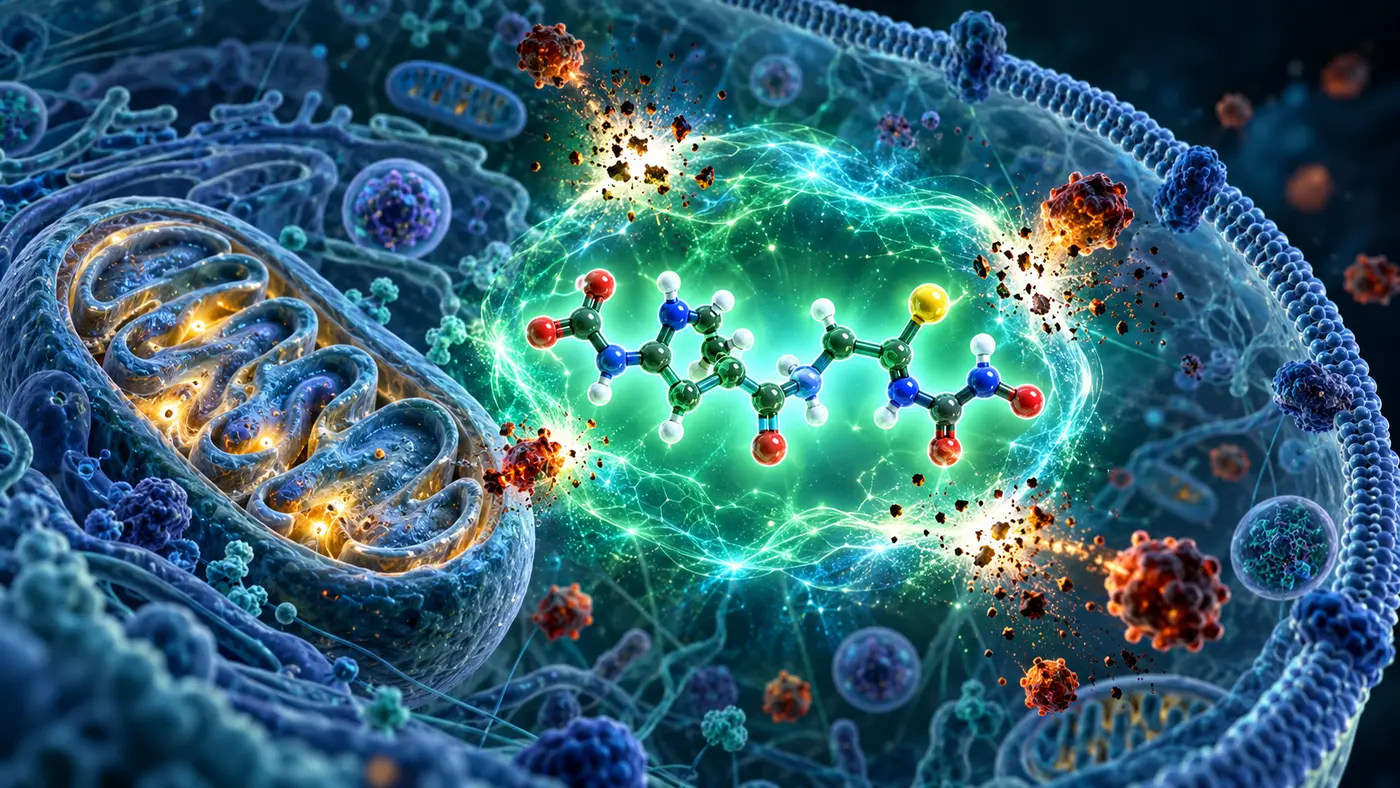
Glutathione is a tripeptide assembled from glutamate, cysteine and glycine. It is commonly abbreviated as GSH and is produced by cells throughout the body, with especially important roles in the liver.
| Reference point | Glutathione |
|---|---|
| Common name | Reduced glutathione |
| Abbreviation | GSH |
| Building blocks | Glutamate, cysteine and glycine |
| CAS number | 70-18-8 |
| Molecular formula | C10H17N3O6S |
| Molecular weight | Approximately 307.3 g/mol |
| Primary research role | Antioxidant defense, redox regulation and cellular processing of reactive compounds |
The sulfur-containing portion of cysteine gives glutathione much of its chemical power. That reactive sulfur group can donate electrons to help neutralize peroxides and other oxidizing compounds. In the process, reduced glutathione can be converted into its oxidized form, GSSG.
Why Glutathione Matters
1. It Helps Control Oxidative Stress
Oxidation is part of normal biology. Cells continuously generate reactive oxygen species during metabolism, immune activity and environmental exposure. Problems arise when reactive molecules accumulate faster than antioxidant systems can manage them.
Glutathione works with enzymes such as glutathione peroxidase to reduce peroxides. Rather than acting as a simple one-time scavenger, it participates in a coordinated defense network that protects proteins, lipids and other cellular structures from excessive oxidation.
2. It Can Be Recycled
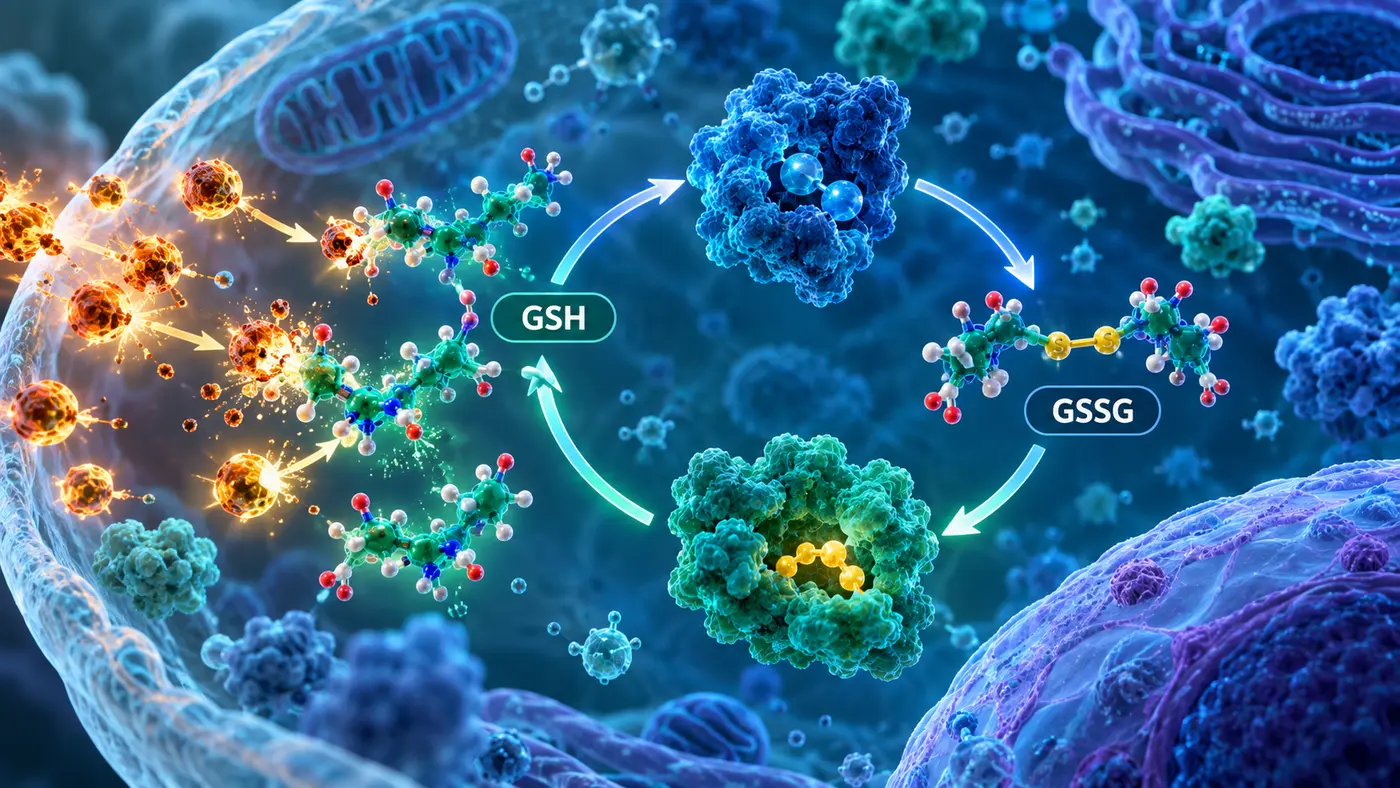
One of glutathione’s biggest strengths is that cells can regenerate it. Glutathione reductase uses NADPH to convert GSSG back into GSH. This recycling system allows glutathione to respond repeatedly rather than disappearing after one reaction.
Researchers often examine the balance between GSH and GSSG because that relationship can offer information about cellular redox conditions. A healthier system is not simply one with the highest possible antioxidant number. It is one that can respond, recover and maintain balance.
3. It Supports Cellular Processing in the Liver
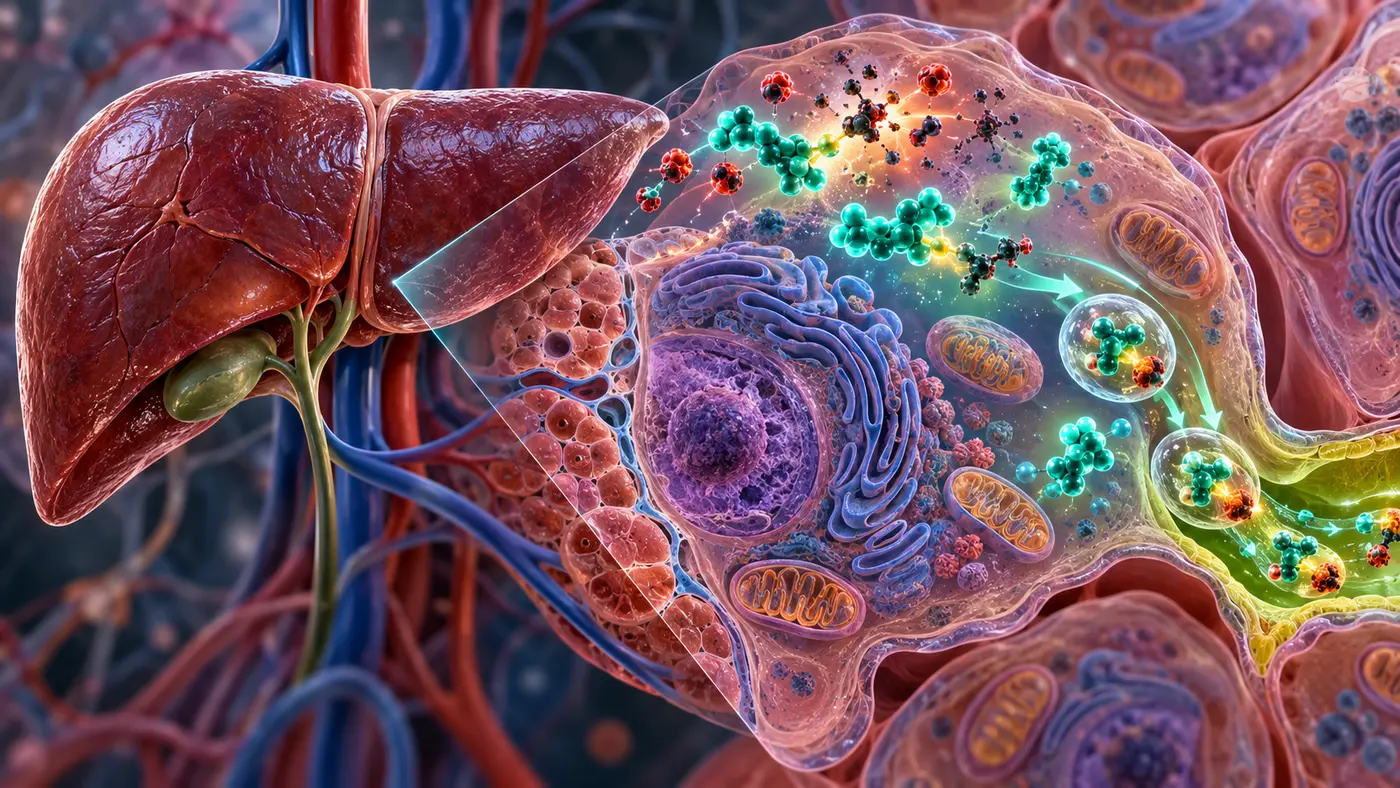
The liver uses glutathione during the processing of many reactive metabolites and foreign compounds. Enzymes called glutathione S-transferases can attach glutathione to certain compounds, often making them easier to handle and eliminate.
This is the legitimate science beneath the popular “detox” label. Glutathione participates in specific enzyme-driven pathways. It does not work like a universal cleanse, and it does not erase the effects of every exposure.
4. It Helps Maintain Other Antioxidant Systems
Glutathione does not work alone. It interacts with vitamin C, vitamin E, thioredoxin systems and multiple enzymes that collectively manage cellular oxidation. That network effect is important because antioxidant defense is not a contest won by a single molecule.
The Pros: Why Glutathione Research Is Compelling
| Potential advantage | Why it matters |
|---|---|
| Fundamental cellular role | Glutathione is produced naturally and is central to redox regulation across many tissues. |
| Recyclable defense system | The GSH/GSSG cycle allows cells to regenerate reduced glutathione and respond repeatedly to oxidative challenges. |
| Broad enzyme involvement | Glutathione supports peroxide reduction, conjugation reactions and maintenance of protein sulfur groups. |
| Measurable biological target | Blood and tissue glutathione status can be studied, allowing researchers to evaluate whether an intervention reaches the pathway. |
| Multiple support strategies | Research can examine direct glutathione, liposomal preparations or precursors such as cysteine supplied through NAC. |
| Human evidence exists | Controlled studies show that some oral strategies can increase glutathione in certain body compartments, although results vary. |
The biggest pro: Glutathione is not a trendy antioxidant invented by the wellness market. It is a core component of the body’s own redox and cellular defense systems.
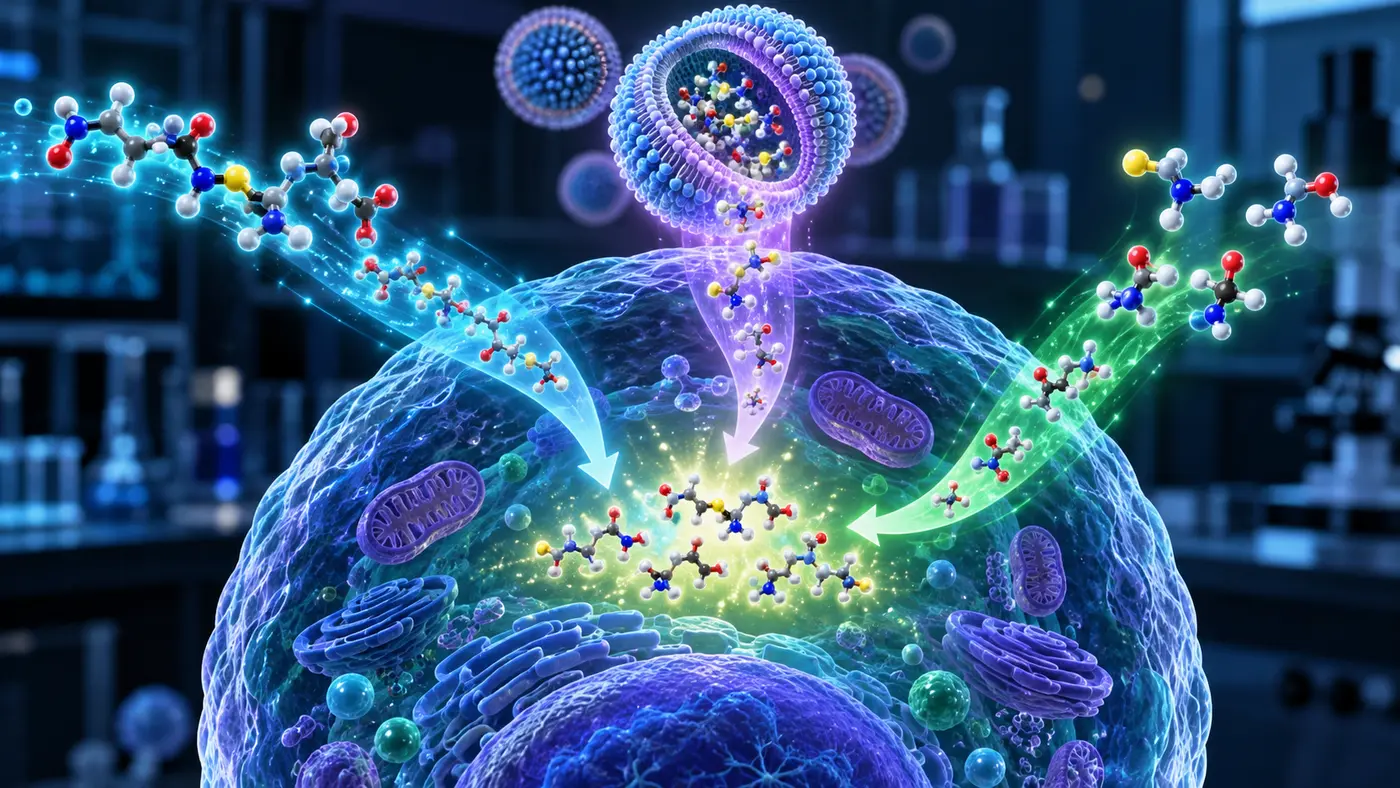
Direct Glutathione, Liposomal Forms and Precursors
There is more than one way to influence the glutathione system, and the evidence for one strategy should not automatically be applied to another.
| Research strategy | What it attempts to do | Important limitation |
|---|---|---|
| Standard oral glutathione | Provides intact glutathione through the digestive tract | Absorption and response vary; human trials have produced different results |
| Liposomal glutathione | Packages glutathione in lipid vesicles intended to improve delivery | Promising studies are generally small and product-specific |
| Precursor support | Supplies building blocks such as cysteine and glycine so cells can synthesize GSH | Results depend on baseline status, rate-limiting nutrients and the population studied |
| Injectable glutathione | Bypasses gastrointestinal processing | Clinical evidence is limited, and sterility, endotoxin and compounding quality become critical safety issues |
What Human Research Actually Shows
The oral glutathione story is more encouraging than the old claim that none of it can be absorbed, but it is not settled.
A 2011 randomized trial in healthy adults found no significant change in systemic glutathione measures after four weeks of oral supplementation. A larger six-month randomized trial published in 2015 reported increases in glutathione across several body compartments, with stronger changes at the higher studied dose. A small pilot study of liposomal glutathione also reported higher glutathione stores after supplementation.
Together, these studies support a reasonable conclusion: oral interventions can affect the glutathione system, but formulation, dose, duration, baseline status and measurement method matter. Increasing a biomarker also does not automatically prove improved energy, immunity, recovery, skin appearance or long-term health.
The Cons and the Fine Print
Strong Biology Does Not Validate Every Benefit Claim
Glutathione is essential. That fact alone does not prove that more is always better or that supplementation improves every outcome associated with oxidative stress. Clinical benefits must be demonstrated for the specific population, formulation and endpoint being discussed.
Blood Levels Do Not Tell the Whole Story
Glutathione is distributed across cells, tissues and cellular compartments. A blood measurement can be useful, but it may not perfectly represent what is happening inside the liver, brain, muscle or mitochondria.
“Detox” Is Often Too Vague to Be Meaningful
Glutathione participates in defined biochemical reactions. A claim that a product “detoxes the body” without naming the compound, pathway, measurement or outcome is marketing language, not a testable scientific conclusion.
Injectable Quality Requires More Than a Purity Number
The FDA has reported adverse events linked to compounded injectable glutathione made from material containing excessive bacterial endotoxins. This highlights an important distinction: chemical purity, sterility and endotoxin control are separate quality questions. A high purity percentage does not establish that a material is suitable for sterile use.
How to Evaluate a Glutathione Research Listing
A serious research listing should make the identity of the material and the testing behind the specific lot easy to evaluate.
- The complete compound name and form
- A lot or batch number that matches the container
- Identity testing in addition to a purity percentage
- A complete analytical report or chromatogram where appropriate
- The testing laboratory and test date
- Clear storage and handling information
- Separate sterility and endotoxin documentation whenever sterile research is claimed
Glutathione is vulnerable to oxidation, which also makes handling and storage relevant. Lot-level documentation is more useful than a generic certificate or a report that cannot be traced to the material being evaluated.
So, Is Glutathione Worth the Attention?
Yes. Its biological importance is unusually well established.
Glutathione helps maintain cellular redox balance, supports peroxide-reducing enzymes, participates in liver conjugation pathways and works with a broader antioxidant network. Human studies also show that the system can be influenced through some oral and precursor-based strategies.
The open questions involve delivery, consistency and outcomes. Researchers still need better data showing which formulations reliably change tissue glutathione, which populations benefit most and whether biochemical changes translate into meaningful functional improvements.
The smartest view is neither dismissal nor miracle language. Glutathione is a powerful piece of human biology whose research potential is real, even when the marketing runs ahead of the evidence.
FAQ's
Is glutathione a peptide?
Yes. Glutathione is a tripeptide made from glutamate, cysteine and glycine.
What is the difference between GSH and GSSG?
GSH is reduced glutathione, the electron-donating form used in many antioxidant reactions. GSSG is the oxidized form created when two glutathione molecules form a disulfide bond.
Can oral glutathione raise glutathione levels?
Some controlled human studies report increases, while others do not. Formulation, dose, duration, baseline status and the tissue measured may help explain the different findings.
Is liposomal glutathione proven to be superior?
Small studies are encouraging, but the evidence is not strong enough to conclude that every liposomal product is consistently superior to every standard oral or precursor strategy.
Is a purity result enough for injectable research?
No. Purity does not establish sterility or low endotoxin levels. Those require separate testing and controls.
This article is for educational purposes only. It does not provide medical advice or recommend the use of any research material. Research compounds are not intended for human consumption, diagnosis, treatment or prevention of disease.
Sources
- The Key Role of GSH in Keeping the Redox Balance in Mammalian Cells
- Randomized Controlled Trial of Oral Glutathione Supplementation on Body Stores of Glutathione
- Effects of Oral Glutathione Supplementation on Systemic Oxidative Stress Biomarkers in Human Volunteers
- Oral Supplementation With Liposomal Glutathione Elevates Body Stores of Glutathione
- A Review of Dietary Nutrients for Glutathione Support
- Supplementing Glycine and N-Acetylcysteine in Older Adults
- FDA: Concerns With Glutathione Used to Compound Sterile Injectables