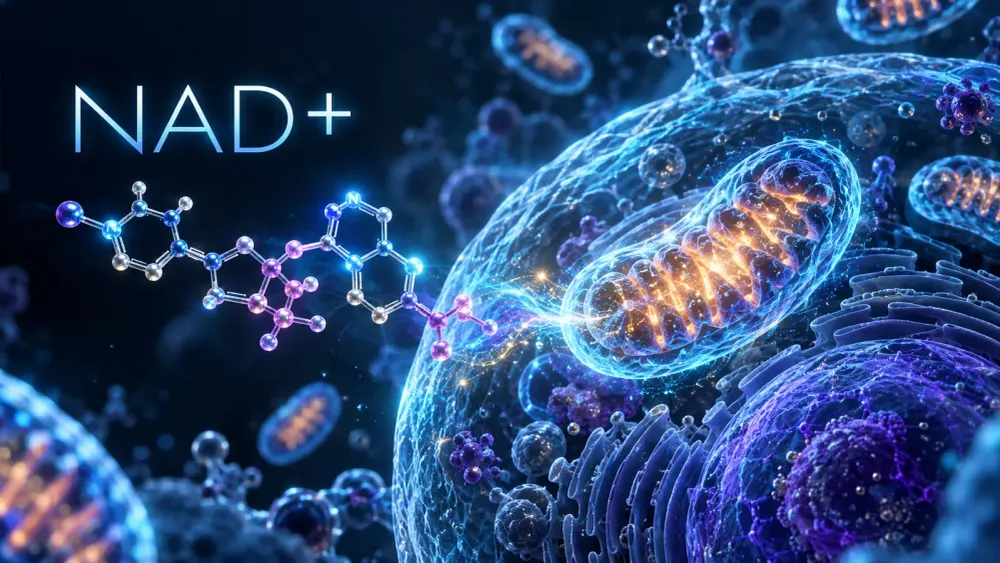

NAD+ is suddenly everywhere, but the molecule itself is anything but new.
Long before NAD+ became a wellness headline, researchers knew it as one of the cell’s essential working molecules. It helps move electrons during energy production and serves as a required partner for enzymes involved in DNA maintenance, stress response and cellular signaling.
That makes NAD+ genuinely important. It also makes it easy to oversell.
The strongest case for NAD+ is not that it is a miracle molecule. It is that cells cannot manage energy or maintain several critical pathways without it. The exciting research asks whether supporting NAD+ biology can improve how those systems function. The unanswered question is how consistently laboratory promise translates into meaningful outcomes in people.
First Things First: NAD+ Is Not a Peptide
NAD+ stands for nicotinamide adenine dinucleotide. Despite often appearing beside peptides in research catalogs and longevity discussions, it is a coenzyme, not a peptide. Peptides are chains of amino acids. NAD+ is a nucleotide-derived molecule found in every living cell.
Its chemical identity is well established:
| Reference point | NAD+ |
|---|---|
| Full name | Nicotinamide adenine dinucleotide |
| Common form | Oxidized NAD+, paired biologically with reduced NADH |
| CAS number | 53-84-9 |
| Molecular formula | C21H27N7O14P2 |
| Molecular weight | Approximately 663.4 g/mol |
| Primary research role | Energy metabolism and NAD+-dependent cellular signaling |
The “plus” sign identifies NAD+ as the oxidized form. When it accepts electrons, it becomes NADH. The two forms cycle back and forth, working like a reusable shuttle that helps transfer energy through cellular reactions.
Why Researchers Care So Much About NAD+
1. It Is Central to Cellular Energy
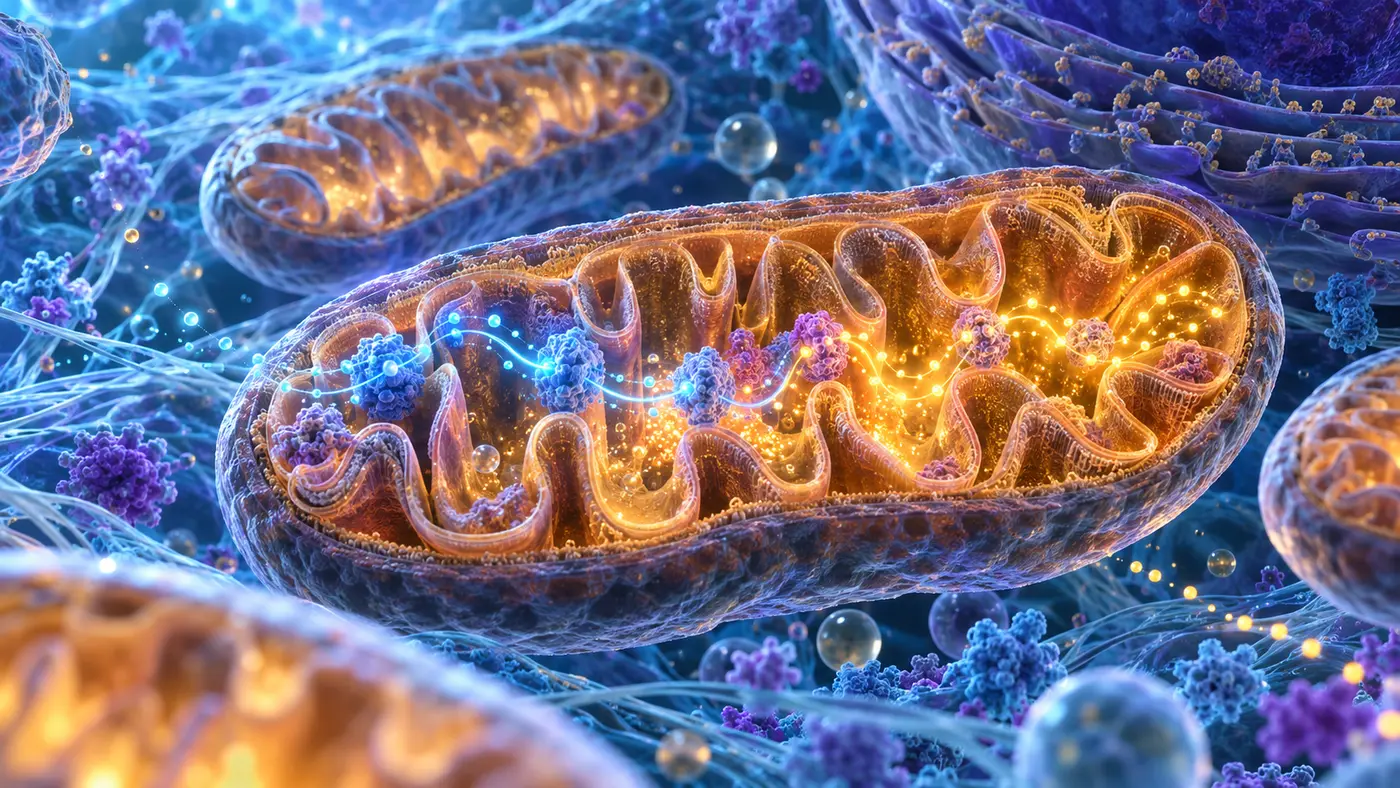
NAD+ participates in the reactions that convert nutrients into usable cellular energy. In glycolysis, the citric acid cycle and oxidative phosphorylation, the NAD+/NADH pair helps carry electrons toward the processes that generate ATP.
ATP is the cell’s immediate energy currency. NAD+ is not ATP, but it helps keep the machinery that produces ATP moving. That is the foundation beneath most of the interest in NAD+ and metabolic research.
2. It Supports Enzymes Involved in Cellular Maintenance
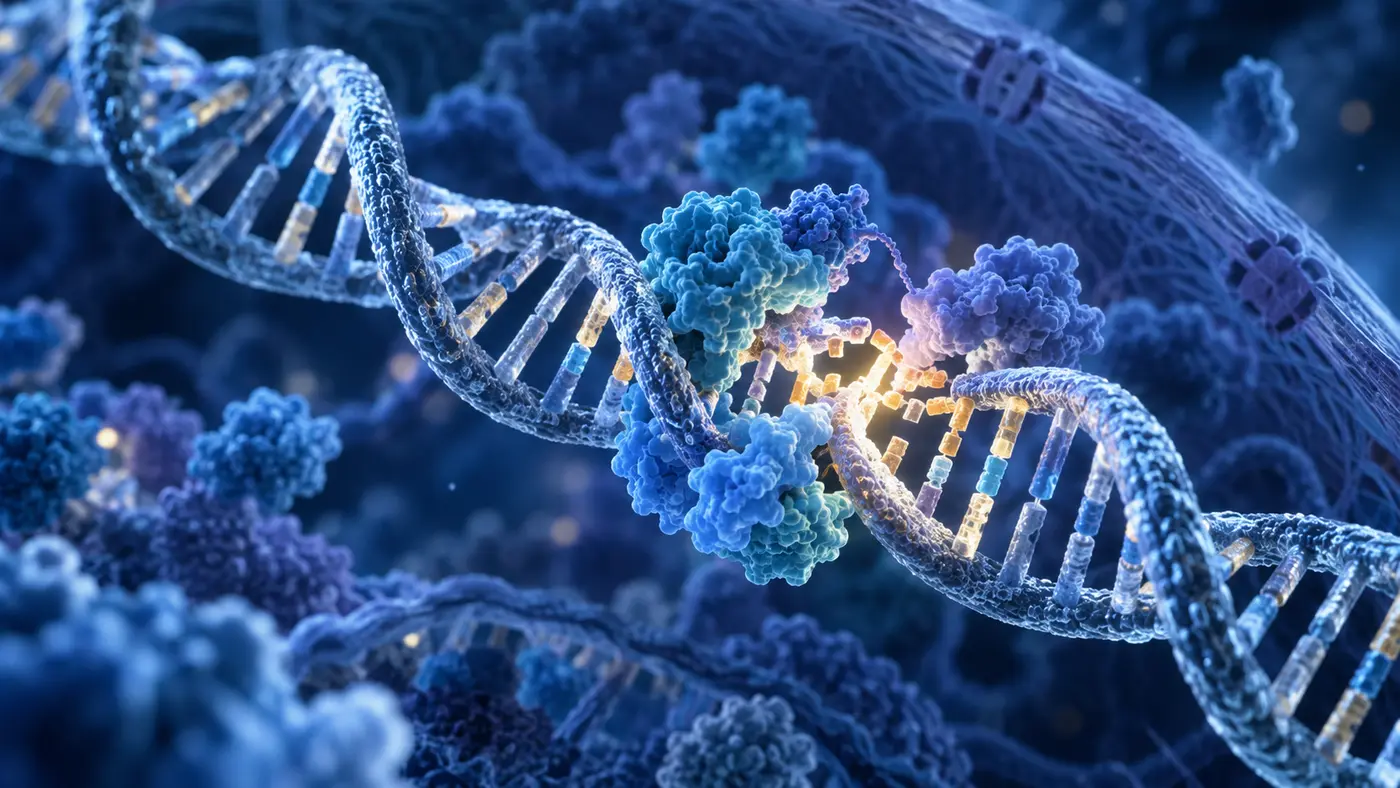
NAD+ is more than an electron carrier. It is also consumed by several families of enzymes, including sirtuins, PARPs and CD38.
- Sirtuins are studied for their roles in metabolism, stress response, gene regulation and mitochondrial function.
- PARPs use NAD+ during responses to DNA damage and genome maintenance.
- CD38 participates in calcium signaling and is also a major consumer of NAD+ in some tissues.
This is one reason NAD+ has become such a compelling research target: the same molecule connects energy production with cellular maintenance and signaling.
3. It Creates Multiple Research Strategies
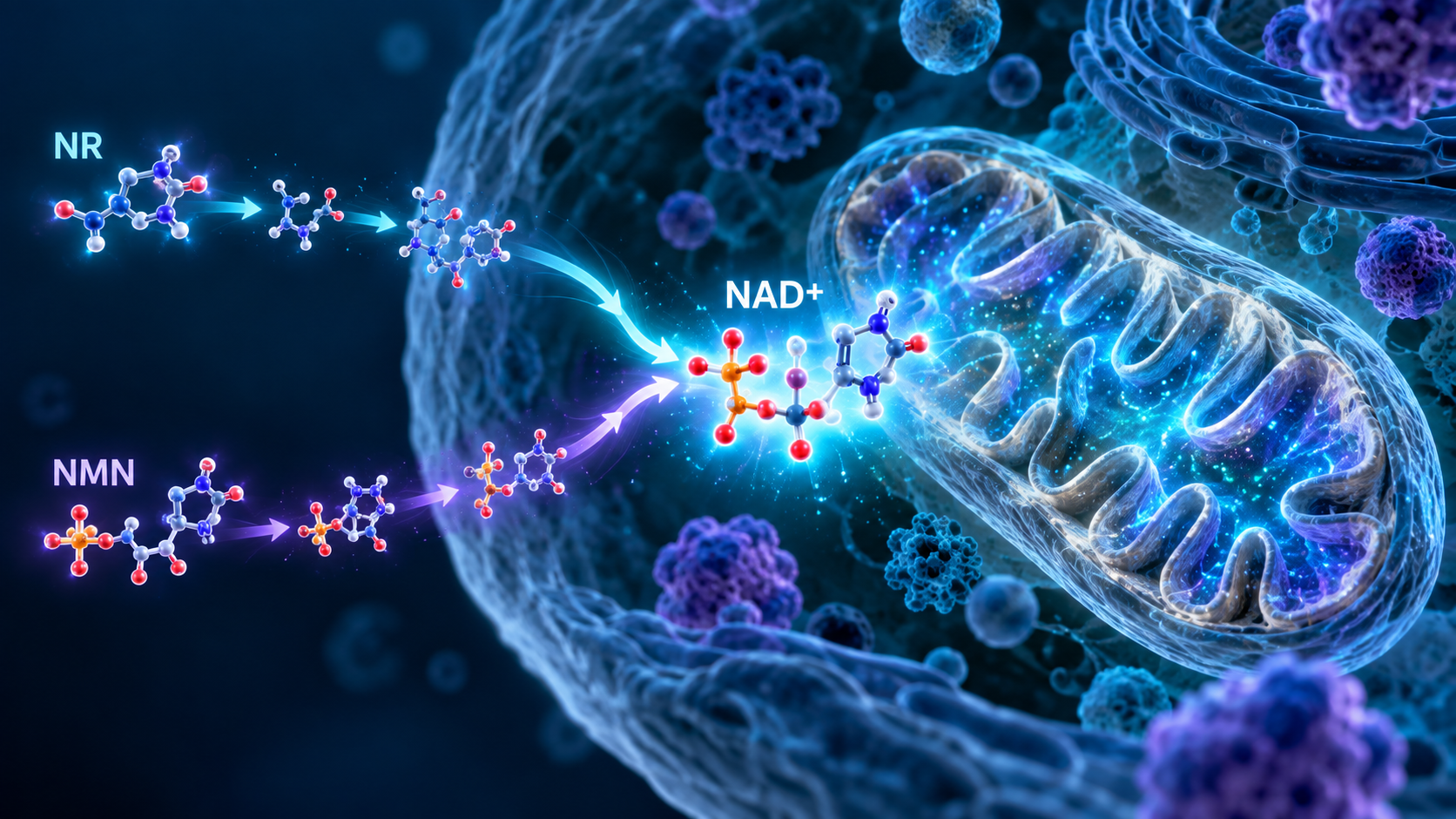
Researchers can approach the NAD+ system from several directions. Some studies examine NAD+ itself. Others use precursors that cells can convert into NAD+, such as nicotinamide riboside, commonly called NR, and nicotinamide mononucleotide, or NMN. Still others investigate enzymes that produce or consume NAD+.
That flexibility is a major advantage scientifically. It also creates confusion, because findings from an NR or NMN study are often repeated online as though they automatically prove the same thing about direct NAD+ administration. They do not. These compounds share a biological pathway, but their absorption, conversion, distribution and study evidence are not interchangeable.
The Pros: Why the NAD+ Story Is So Compelling
The pro-NAD+ argument has real substance. Its strengths come from basic biology and a rapidly expanding research base.
| Potential advantage | Why it matters |
|---|---|
| Essential cellular role | NAD+ is required for fundamental redox reactions and energy metabolism. Its importance is not speculative. |
| Multiple biological pathways | It connects mitochondrial function, nutrient sensing, DNA-damage response, gene regulation and cellular stress signaling. |
| Measurable target engagement | Human trials show that several NAD+ precursors can raise NAD+-related metabolites, demonstrating that the pathway can be influenced. |
| Broad research relevance | NAD+ biology is being studied across metabolism, exercise physiology, neurologic research, cardiovascular function and cellular aging. |
| Growing clinical investigation | The human evidence remains incomplete, but the field has progressed beyond cell and animal work into controlled trials and systematic reviews. |
The biggest pro: NAD+ is not important because marketing says so. It is important because cellular metabolism and several repair-related enzymes depend on it.
The Cons and the Fine Print
The limitations do not erase the promise, but they do change how the evidence should be interpreted.
Human Outcomes Are Less Consistent Than the Biology
Raising an NAD+-related biomarker is not the same as proving improved energy, recovery, cognition or longevity. Reviews of human trials generally find that NR and NMN can influence NAD+ metabolism and are often well tolerated over the periods studied. Functional outcomes, however, are mixed, sometimes modest and often specific to a particular population or endpoint.
Direct NAD+ and NAD+ Precursors Are Different Evidence Categories
Much of the better-developed human research involves precursors rather than direct NAD+. Direct intravenous NAD+ has far less robust clinical validation. New studies are emerging, but the evidence base is not yet strong enough to treat every delivery method as equally supported.
The “NAD+ Always Declines With Age” Claim Is Too Simple
Reduced NAD+ has been observed in many animal models and in some human tissues and conditions. Yet the human picture varies by tissue, measurement method and population. Recent reviews emphasize that human data remain sparse, while newer whole-blood research challenges the idea that a single blood NAD+ measurement is a universal marker of aging.
Quality and Endotoxin Control Matter
Identity and purity are only part of the quality picture. The FDA has reported adverse events after compounded injectable NAD+ products and noted that the reactions were consistent with excessive endotoxin exposure. That warning does not prove NAD+ itself caused every reaction, but it underscores why material quality, sterility controls, endotoxin testing and responsible handling cannot be replaced by a simple “99% purity” claim.

How to Read an NAD+ Product Listing
A large vial amount can look impressive, but milligrams alone do not establish quality. A serious research listing should make it possible to evaluate what the material is and how the specific lot was tested.
Look for:
- The full chemical name and form
- A lot or batch number tied to the actual vial
- Identity testing, not purity alone
- A complete chromatogram or analytical report where appropriate
- The name of the testing laboratory
- Clear storage and handling information
- Additional sterility and endotoxin documentation whenever sterile research is claimed
A certificate of analysis can be useful, but only when it matches the current lot and contains enough information to evaluate the result. A generic report, cropped screenshot or recycled document should not carry the same weight as traceable batch-level testing.
So, Is NAD+ Worth the Attention?
From a research standpoint, yes.
NAD+ earns attention because it occupies a remarkably important position in cellular biology. It helps connect fuel metabolism, mitochondrial energy production, stress signaling and enzyme-driven maintenance pathways. Human trials of NAD+-boosting strategies demonstrate that the pathway can be influenced, and the range of ongoing research is substantial.
What has not been established is a universal outcome. The science does not support treating NAD+ as a guaranteed solution for energy, recovery, cognition or lifespan. It supports treating NAD+ as a serious research target with plausible mechanisms, encouraging biochemical findings and important questions still open.
That may sound less dramatic than the claims made in some corners of the internet. It is also a much stronger reason to keep watching the research.
FAQs
Is NAD+ a peptide?
No. NAD+ is a nucleotide-derived coenzyme. It is frequently discussed alongside peptides and other research compounds, but chemically it is not a peptide.
What is the difference between NAD+ and NADH?
NAD+ is the oxidized form that can accept electrons. NADH is the reduced form carrying those electrons. Their continuous cycling is essential to many metabolic reactions.
Are NAD+, NR and NMN the same thing?
No. NR and NMN are precursors that cells can use to produce NAD+. Research involving one should not automatically be presented as direct evidence for the others.
Does increasing NAD+ guarantee more energy?
No. NAD+ is essential to energy metabolism, but increasing a biomarker does not guarantee that someone will feel more energetic or experience a particular clinical result.
What is the most important quality check?
No single test answers every question. At minimum, researchers should look for lot-matched identity and purity data. Sterility and endotoxin testing are separate requirements when sterile material is claimed.
This article is for educational purposes only. It does not provide medical advice or recommend the use of any research material. Research compounds are not intended for human consumption, diagnosis, treatment or prevention of disease.
Sources
- NAD+ Metabolism and Its Roles in Cellular Processes During Ageing
- NAD+ Precursors in Human Health and Disease
- NAD+ Supplementation for Anti-Aging and Wellness: A Systematic Review
- NAD+ Precursor Supplementation in Human Ageing: Clinical Evidence and Challenges
- Dietary Supplementation With NAD+-Boosting Compounds in Humans
- PubChem: Nadide / Nicotinamide Adenine Dinucleotide
- FDA: Ingredients Suitable for Sterile Compounding