
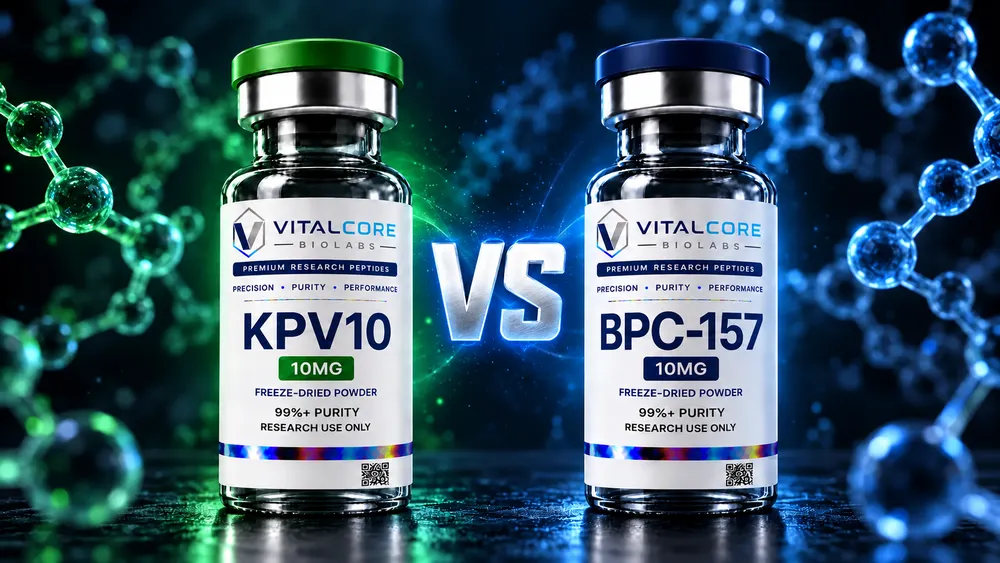

A straight talk comparison of two experimental peptides and the evidence behind them
KPV and BPC-157 are two names that frequently appear in conversations about peptide research, inflammation and tissue response. They are sometimes placed in the same category or discussed as though they serve the same purpose.
They do not.
KPV is a short, three-amino-acid peptide fragment connected primarily to research involving inflammatory signaling and intestinal barrier function. BPC-157 is a longer, 15-amino-acid peptide investigated mostly in laboratory and animal models involving connective tissue, blood vessels and gastrointestinal tissue.
Both are interesting. Both remain experimental. Neither has the level of human clinical evidence that online enthusiasm might suggest.
Here is a straightforward look at where they differ, where their research overlaps and what the published evidence can actually tell us.
Two Peptides Two Research Paths
Peptides are short chains of amino acids that can act as biological signals. Their effects can vary dramatically depending on their structure, source and the pathways they interact with.
KPV consists of only three amino acids: lysine, proline and valine. It is derived from the end portion of alpha-melanocyte-stimulating hormone, commonly called alpha-MSH.
BPC-157 is a sequence of 15 amino acids associated with a protective protein found in gastric juice. Most published BPC-157 research has focused on experimental models involving tissue injury, gastrointestinal damage and vascular response.
The difference in size alone does not determine which peptide is more effective or important. It simply reinforces that these are distinct compounds with different research histories.
What Researchers Are Studying About KPV
KPV has attracted attention largely because of its relationship to alpha-MSH. That naturally occurring hormone is involved in several biological processes, including pigmentation, immune signaling and inflammation.
Laboratory studies suggest that KPV may interact with inflammatory pathways without producing all the other biological effects associated with the complete alpha-MSH molecule.
One frequently cited study examined how KPV was transported into intestinal epithelial and immune cells through a transporter known as PepT1. In cellular experiments and mouse models of colitis, researchers observed reduced inflammatory activity after exposure to KPV.
That finding helped create interest in KPV as a research tool for studying:
- Intestinal epithelial cells
- Inflammatory signaling
- Cytokine activity
- Immune-cell response
- Intestinal barrier integrity
- Experimental models of colitis
These findings are meaningful within a laboratory setting, but they should not be confused with proof that KPV treats inflammatory bowel disease or another medical condition in people. The available research is primarily preclinical, meaning much of it has been conducted in cells, isolated tissues or animals rather than large, controlled human trials.
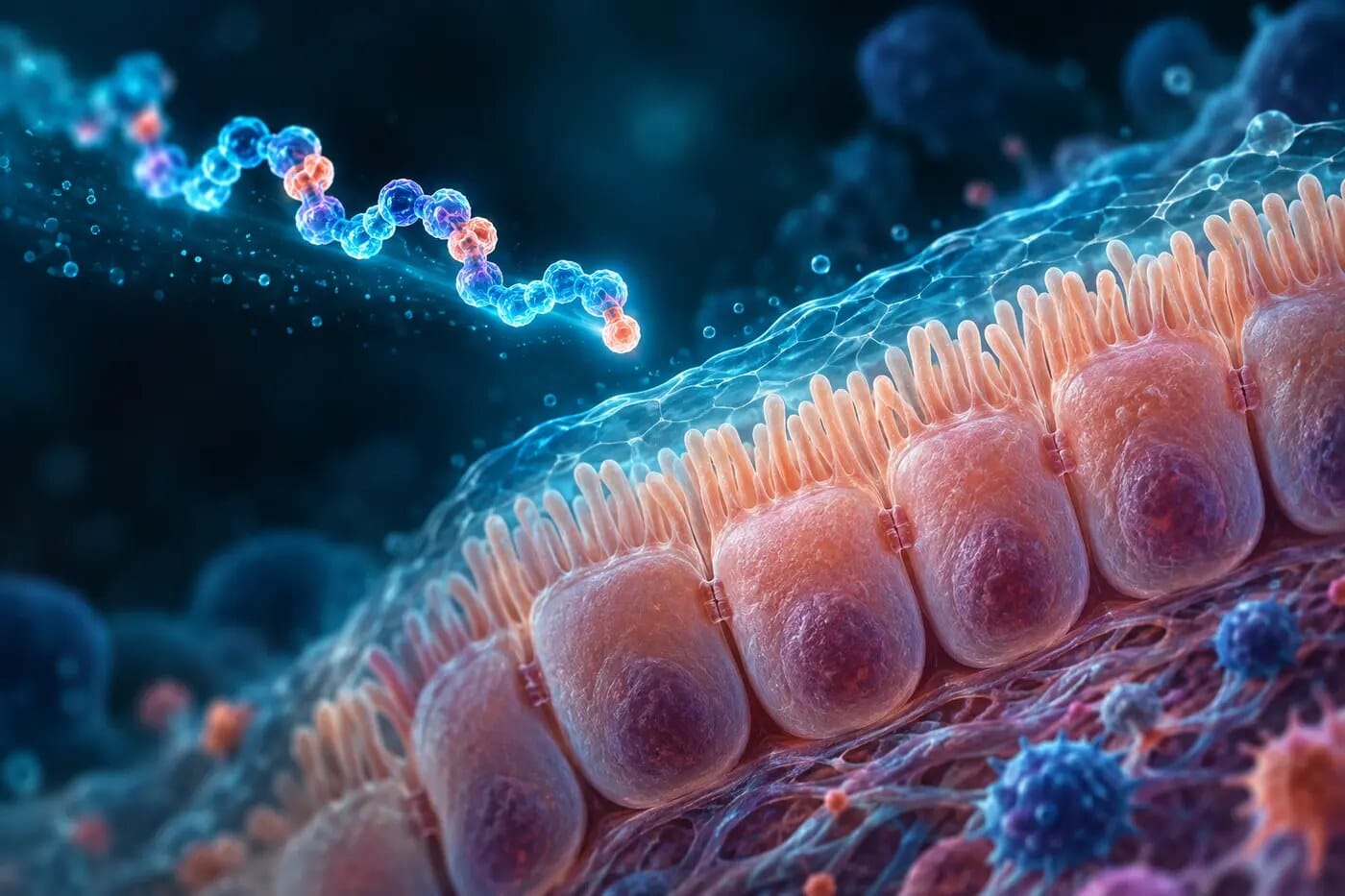
What Researchers Are Studying About BPC 157
BPC-157 occupies a different lane. Its research history is broader and is often associated with experimental models involving tendons, ligaments, muscles, bone, gastrointestinal tissue and blood-vessel formation.
Animal and laboratory studies have examined whether BPC-157 influences processes such as:
- Fibroblast activity
- Collagen organization
- Blood-vessel development
- Cellular migration
- Tendon-to-bone healing
- Muscle and ligament recovery
- Gastrointestinal tissue protection
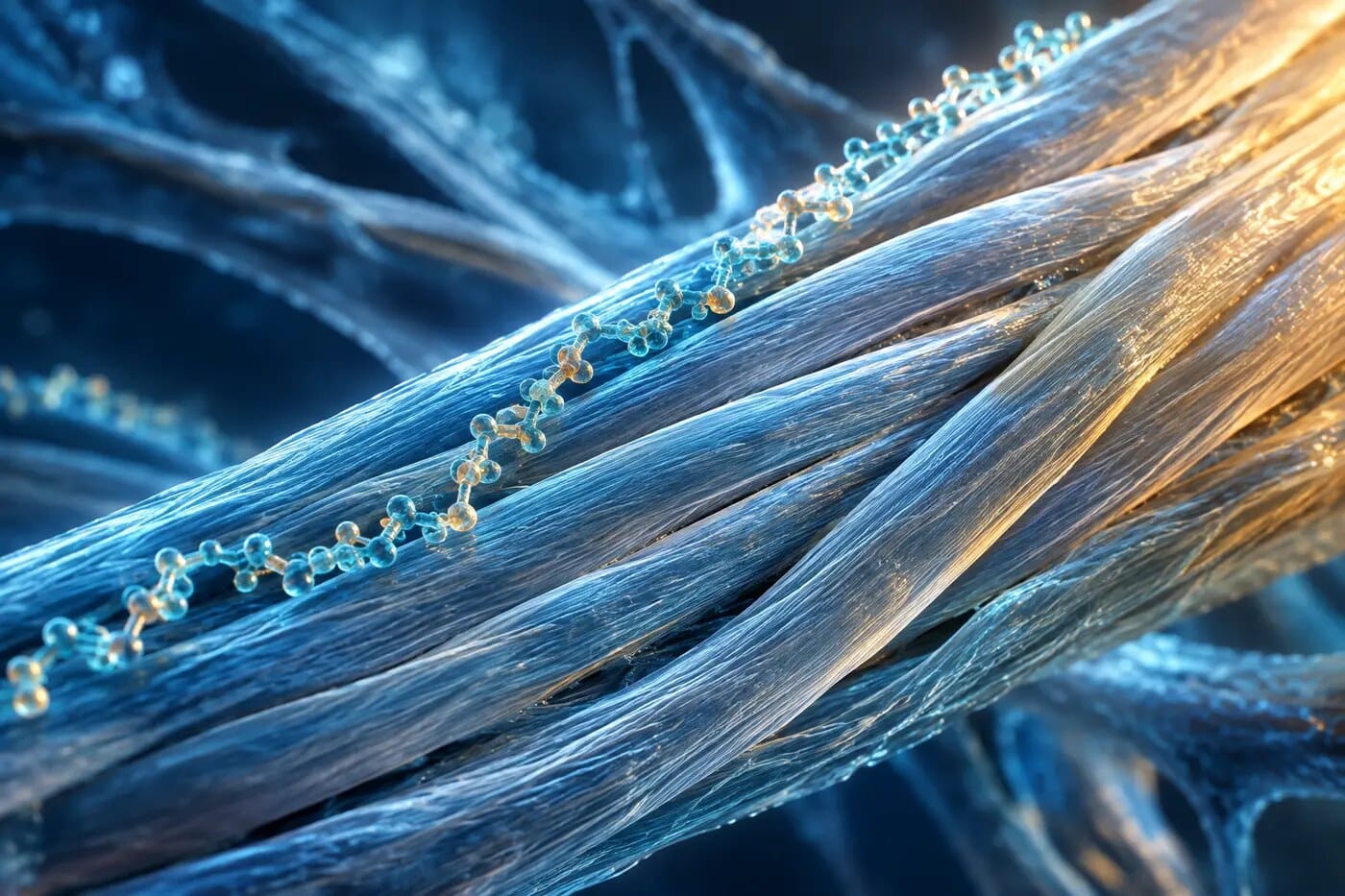
Some animal studies have produced striking results. Researchers have reported improved organization of collagen fibers, increased fibroblast activity and better functional measurements following experimentally created injuries.
That sounds promising, but one detail matters enormously: most of these findings come from animal models.
A 2025 systematic review of BPC-157 in orthopedic sports medicine found encouraging preclinical results involving muscle, tendon, ligament and bone injuries. However, 35 of the 36 included studies were preclinical. Only one involved people, and the available human evidence was not strong enough to establish safety or effectiveness.
KPV vs BPC 157 at a Glance
| Research point | KPV | BPC-157 |
|---|---|---|
| Length | 3 amino acids | 15 amino acids |
| Research origin | Fragment of alpha-MSH | Sequence associated with gastric protective proteins |
| Primary research focus | Inflammatory signaling and intestinal barrier activity | Tissue response, connective tissue and gastrointestinal models |
| Common laboratory models | Intestinal cells, immune cells and animal colitis models | Tendon, ligament, muscle, bone and gastrointestinal models |
| Human evidence | Extremely limited | Limited and generally low quality |
| FDA-approved drug | No | No |
This comparison does not establish that one is better than the other. It shows why treating them as interchangeable is misleading.
Where Their Research Overlaps
Although their primary research paths differ, KPV and BPC-157 overlap in a few areas. Both have been studied in connection with inflammation. Both have appeared in gastrointestinal research. Both are being investigated for their possible influence on cellular responses related to damaged or irritated tissue.
The proposed mechanisms, however, are not identical. KPV research often focuses on inflammatory signaling and immune activity. BPC-157 research tends to examine broader tissue-response processes, including fibroblast behavior, vascular activity and structural recovery.
This distinction matters because phrases such as supports recovery and reduces inflammation are broad. They can hide major differences in biology, research quality and intended experimental endpoints.
The Biggest Difference May Be the Evidence
The most important comparison is not which peptide receives more attention online. It is the strength and limitations of the evidence behind each one.
Neither KPV nor BPC-157 is supported by the kind of large, randomized and well-controlled human clinical trials normally required to establish a drug's safety and effectiveness.
For KPV, the published research is heavily concentrated in cellular and animal models. The FDA has stated that it has not identified human-exposure data for drug products containing KPV and lacks sufficient information to determine its safety in people.
For BPC-157, more preclinical research exists, but robust human evidence remains limited. FDA reviewers have also raised concerns involving product characterization, peptide-related impurities, aggregation and possible immune reactions.
In July 2026, an FDA advisory committee reviewed KPV-related and BPC-157-related bulk drug substances for possible use in pharmacy compounding. That review and the committee's recommendations should not be confused with FDA approval. A substance being discussed for compounding does not mean it has been proven safe or effective as a medication.
Why Product Quality Still Matters
When a compound is being used for legitimate laboratory research, its identity and quality directly affect the value of the results.
A purity percentage alone does not answer every important question. Researchers may also need to consider:
- Whether the peptide's identity was confirmed
- Which analytical method was used
- Whether testing applies to the current lot
- Whether the sample contains related impurities
- How it was stored and transported
- Whether the documentation can be independently verified
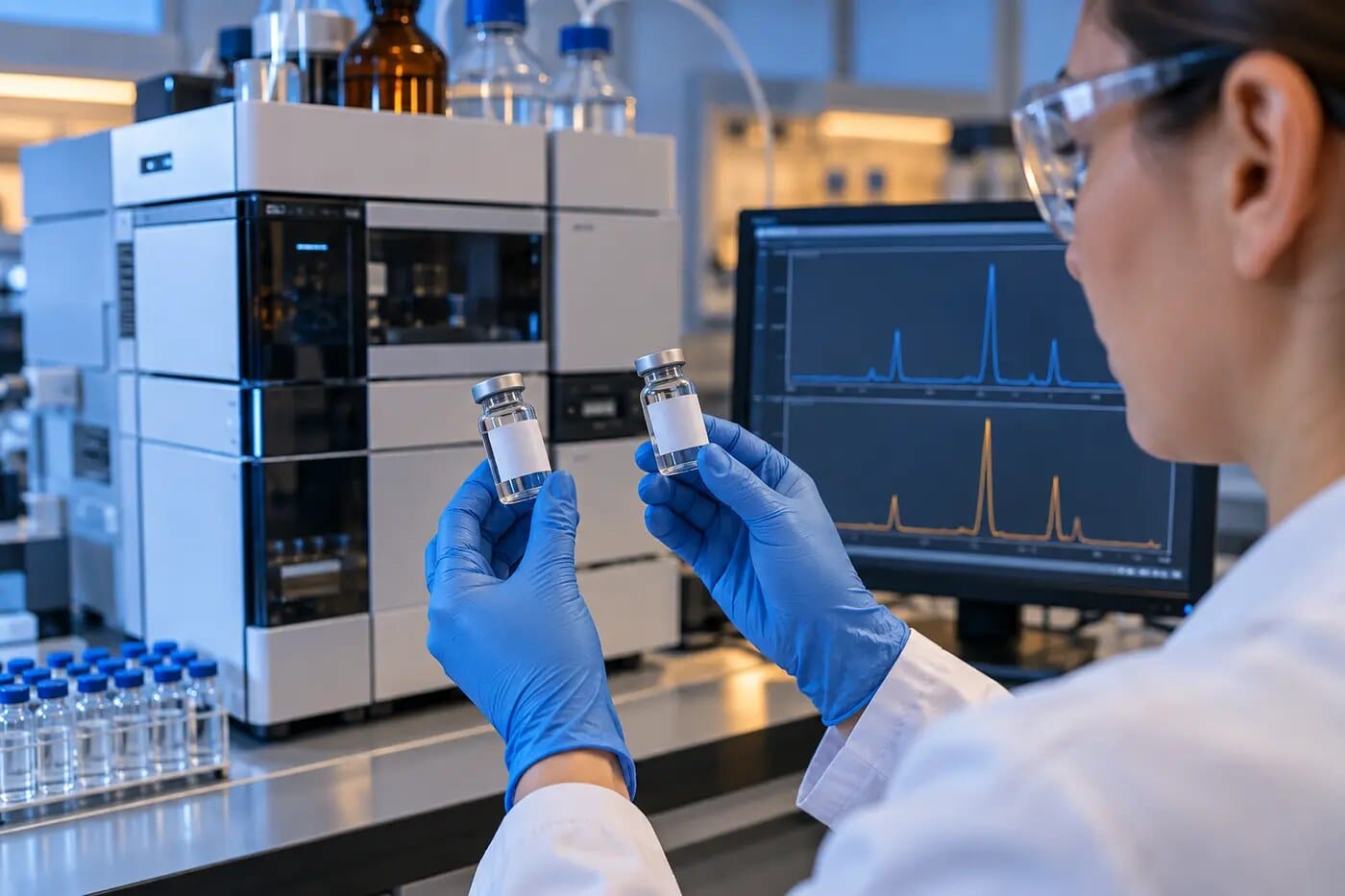
High-performance liquid chromatography can help evaluate purity, while mass spectrometry can help confirm molecular identity. Depending on the nature of the research, other testing may also be relevant.
This is why an accessible certificate of analysis should be viewed as a starting point rather than decorative paperwork. The lot number on the vial should connect to the tested sample, and the analytical results should come from a qualified laboratory.
For more information about analytical methods and independent laboratory testing, visit KMD Analytical.
You can also read our earlier article Beyond 99%: More Than Purity for a closer look at what a peptide certificate of analysis can and cannot confirm. Replace this homepage link with the direct article link after Beyond 99 is published.
Research Findings Are Not Treatment Instructions
This is the point where many online discussions go off course.
A positive result in a laboratory dish does not establish that the same result will occur in a person. An observation in a rat tendon does not automatically translate to a human shoulder, knee or ligament. Even a small uncontrolled human study cannot provide the same confidence as a properly designed randomized clinical trial.
Researchers still need to answer basic questions involving:
- Absorption and distribution
- Metabolism and elimination
- Short-term safety
- Long-term safety
- Possible immune reactions
- Reproducibility across laboratories
- Differences among formulations
- Meaningful clinical outcomes
Without those answers, confidence should remain limited.

So Is One More Promising
That depends entirely on the research question.
KPV may be the more directly relevant compound for laboratory work involving intestinal barrier function or specific inflammatory pathways connected to alpha-MSH.
BPC-157 may be more relevant to preclinical studies involving fibroblasts, collagen, vascular response and experimental connective-tissue injury.
But more relevant to a research model does not mean better for people. It certainly does not mean that the compound has been proven safe or effective for self-directed use.
The honest conclusion is less exciting than many social-media claims, but far more useful: KPV and BPC-157 are distinct experimental peptides with intriguing preclinical findings and substantial unanswered questions.
The Bottom Line
KPV and BPC-157 should not be treated as two versions of the same peptide.
KPV is a three-amino-acid fragment primarily investigated for inflammatory signaling and intestinal-barrier activity. BPC-157 is a 15-amino-acid sequence studied more extensively in animal models involving connective tissue, gastrointestinal tissue and vascular response.
Their research paths overlap, but their structures, proposed mechanisms and evidence bases are different.
The smartest way to approach either compound is to separate published findings from assumptions. Look closely at the study model, the quality of the evidence and the testing behind the actual research material.
Interesting science deserves attention. It also deserves accuracy.
For qualified laboratory research materials and lot-specific testing information, visit VitalCore BioLabs.
Sources
- PepT1-Mediated Tripeptide KPV Uptake Reduces Intestinal Inflammation
- Emerging Use of BPC-157 in Orthopaedic Sports Medicine
- FDA Substances in Compounding That May Present Significant Safety Risks
- FDA July 2026 Pharmacy Compounding Advisory Committee Meeting
- The Promoting Effect of BPC 157 on Tendon Healing
VitalCore BioLabs products are intended for laboratory research use only. They are not intended for human consumption, medical treatment, diagnosis or therapeutic use. This article is educational and is not medical advice.
